
Introduction -The Stress-Sleep Tango – Why Your Brain Won't Quit
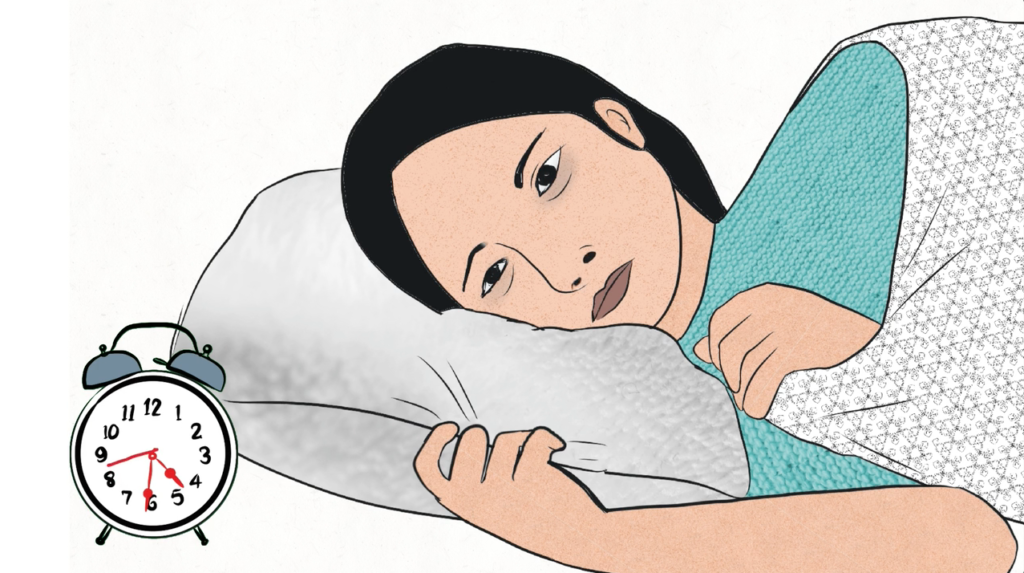
We’ve all been there, haven’t we? Lying in bed, staring at the ceiling, while our brain decides it’s the perfect time to replay every embarrassing moment from the last decade, plan next year’s vacation, or solve the world’s most complex problems. Meanwhile, sleep, that elusive friend, seems to be having a grand old time somewhere else. If this sounds familiar, chances are you’re caught in the tangled dance of sleep problems caused by stress. It’s a frustrating tango where our worried minds keep us from the rest we desperately need, often leaving us feeling even more stressed the next day.
But here’s the good news- we don’t have to be passive participants in this nightly battle. We can learn the moves to break free! In this comprehensive guide, we’re going to dive deep into understanding exactly how stress hijacks our precious Zzz’s. More importantly, we’ll arm ourselves with an arsenal of practical stress relief techniques that work immediately, helping us not only conquer the night but also navigate our waking hours with greater calm and clarity. So, let’s pull back the covers on this common issue and discover how to reclaim our rest and our peace of mind.
The Stress-Sleep Showdown- How Stress Hijacks Your Zzz's
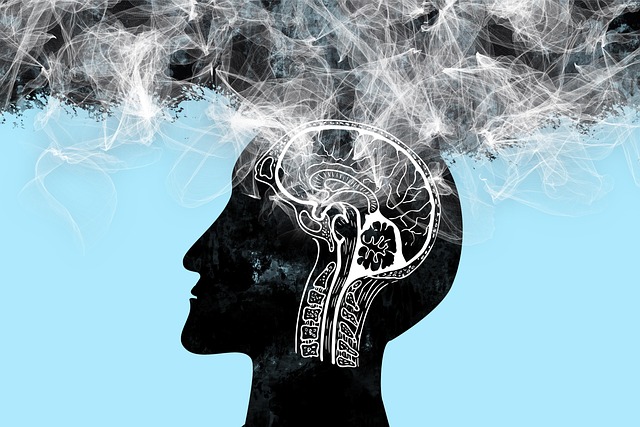
It’s not just “in our heads” when stress keeps us awake. There’s a powerful physiological showdown happening behind the scenes, orchestrated by our body’s ancient survival mechanisms. When we experience stress, our bodies don’t differentiate between a looming deadline and a saber-toothed tiger. They react with the “fight-or-flight” response, flooding our system with a cocktail of hormones designed to keep us alert and ready for action.
The Hormone Hustle- Cortisol and Adrenaline
The primary culprits in this sleep sabotage are cortisol and adrenaline. Adrenaline gives us that immediate jolt of energy and heightened awareness, while cortisol, often called the “stress hormone,” keeps us on high alert for longer periods. These hormones are fantastic if we actually need to run from danger, but not so much when we’re trying to wind down for bed.
Adrenaline's Role-
It increases our heart rate, blood pressure, and breathing, making it nearly impossible for our body to transition into a state of relaxation. Imagine trying to fall asleep with an internal alarm blaring – that’s adrenaline at work.
Cortisol's Impact-
Our cortisol levels naturally fluctuate throughout the day, peaking in the morning to help us wake up and gradually declining in the evening. However, chronic stress keeps cortisol levels elevated, disrupting this natural rhythm. High cortisol at night signals to our body that it’s time to be awake and alert, directly interfering with the production of melatonin, the hormone responsible for making us feel sleepy.
The Sleep Stage Shuffle- How Stress Disrupts Quality

It’s not just about falling asleep; it’s about staying asleep and achieving quality rest. Stress can throw a wrench into our sleep architecture, affecting how much time we spend in each crucial sleep stage.
- Difficulty Falling Asleep- The most common immediate effect. Our racing thoughts and physical tension make it hard to drift off.
- Frequent Waking- Even if we manage to fall asleep, stress can lead to lighter sleep, making us more prone to waking up multiple times throughout the night.
- Reduced Deep Sleep and REM Sleep- These stages are vital for physical restoration, memory consolidation, and emotional processing. Stress often shortens the time we spend in deep, restorative sleep and can even reduce REM sleep, leading to feelings of unrefreshing sleep, even if we’ve technically been “asleep” for hours.
This creates a vicious cycle: stress causes sleep problems caused by stress, which in turn makes us more susceptible to stress, further exacerbating our sleep issues. It’s a tough loop to break, but understanding it is the first step towards regaining control.
Recognizing the Signs- Is Stress Stealing Your Sleep?
Sometimes, we’re so used to feeling tired or wired that we don’t even connect the dots between our daily stresses and our nightly struggles. But paying attention to the signs can be incredibly insightful. Let’s look at how to tell if stress is indeed the culprit behind your disrupted slumber.
Common Sleep Disruptors
While occasional sleepless nights happen to everyone, a pattern of these issues often points to underlying stress.
- Difficulty initiating sleep- You lie awake for a long time, sometimes hours, unable to quiet your mind.
- Frequent awakenings- You wake up multiple times during the night and struggle to fall back asleep.
- Early morning awakenings- You wake up much earlier than intended and can’t return to sleep, often feeling anxious about the day ahead.
- Unrefreshing sleep- You sleep for what seems like enough hours but still wake up feeling exhausted, as if you haven’t slept at all.
- Increased nightmares or vivid dreams- Stress can manifest in our dreams, making them more intense or disturbing.
Beyond Just Tired- Other Warning Signs
Stress doesn’t just affect our sleep; it ripples through our entire being. If you’re experiencing these alongside your sleep issues, stress is very likely playing a significant role.
- Irritability and mood swings- Lack of sleep makes us less resilient to daily frustrations, and stress itself makes us more prone to emotional volatility.
- Difficulty concentrating- Our ability to focus, make decisions, and remember things takes a hit when we’re sleep-deprived and stressed.
- Increased anxiety or worry- A perpetual state of unease, often about things that seem minor.
- Physical symptoms- Headaches, muscle tension, digestive issues, and even a weakened immune system can all be manifestations of chronic stress.
- Increased reliance on stimulants- Needing more coffee or energy drinks to get through the day, only to find it harder to sleep at night.
Recognizing these patterns is crucial. According to the American Psychological Association, a significant portion of adults report that stress impacts their sleep, with over 40% saying they lie awake at night due to stress. If these signs resonate with you, it’s time to take action and explore some practical stress relief techniques that work immediately.
Alright, no more waiting around! When stress hits, we need tools that work now. These aren’t long-term solutions (though they contribute to them), but rather quick, effective techniques to dial down the immediate stress response and prevent it from completely derailing our day or night. Think of these as your personal “instant zen kit.”
Quick-Fix Breathing Exercises
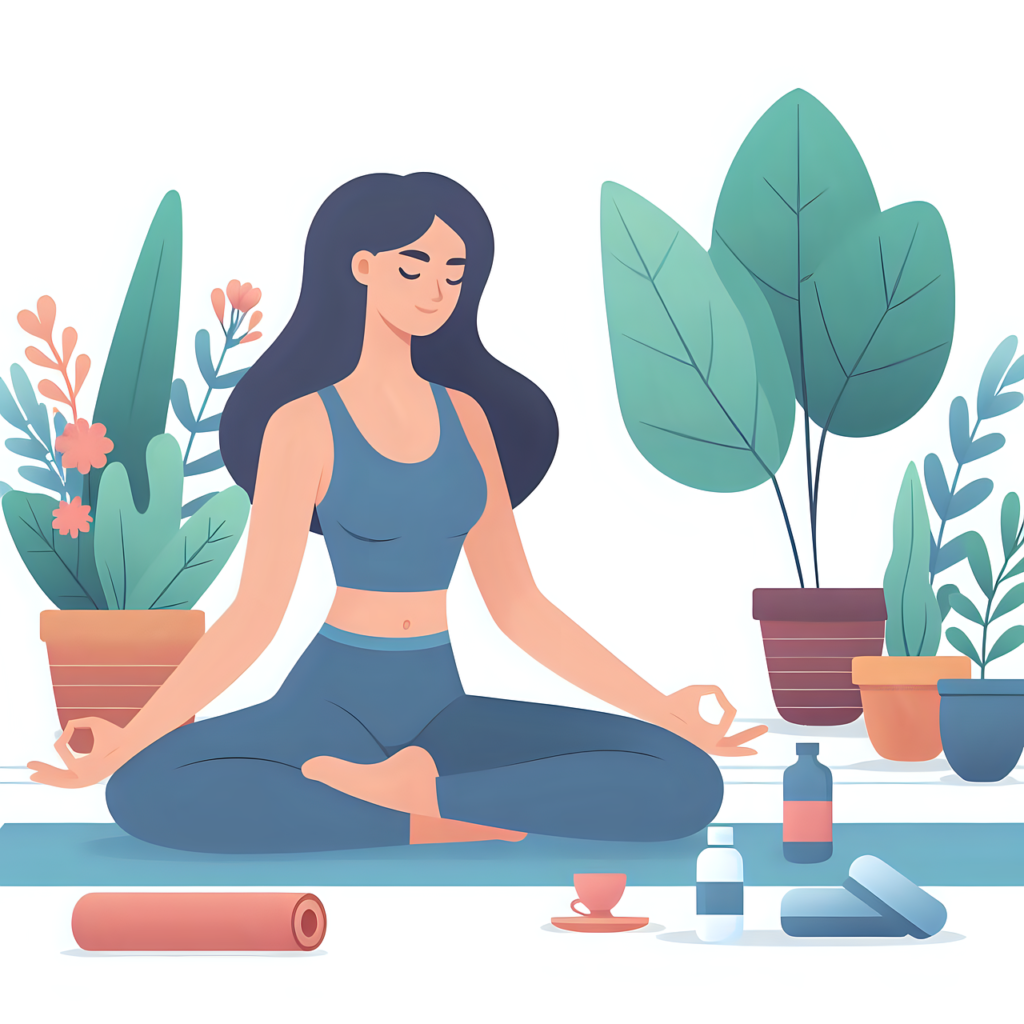
Our breath is our most powerful, always-available tool for calming the nervous system.
- 4-7-8 Breathing- This technique, popularized by Dr. Andrew Weil, is incredibly simple yet profoundly effective.
- Place the tip of your tongue against the ridge of tissue just behind your upper front teeth, and keep it there through the entire breathing exercise.
- Exhale completely through your mouth, making a gentle “whoosh” sound.
- Close your mouth and inhale quietly through your nose to a mental count of four.
- Hold your breath for a count of seven.
- Exhale completely through your mouth, making that “whoosh” sound, for a count of eight.
- This is one breath. Inhale again and repeat the cycle three more times for a total of four breaths. This technique helps slow your heart rate and signals to your body that it’s safe to relax.
Box Breathing (Tactical Breathing)
- Exhale all the air from your lungs, creating an empty space.
- Inhale slowly through your nose for a count of four, expanding your belly.
- Hold your breath for a count of four.
- Exhale slowly through your mouth for a count of four, emptying your lungs.
- Hold your breath (lungs empty) for a count of four.
- Repeat this “box” pattern several times. This method helps reset your autonomic nervous system, promoting calm and clarity.
Sensory Soothers
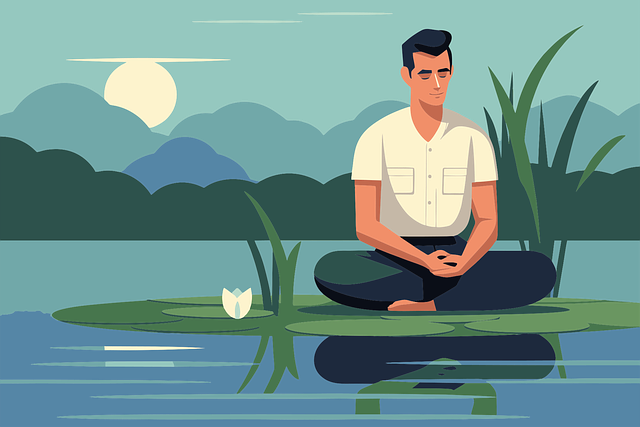
Engaging our senses in a deliberate way can ground us in the present moment, pulling us away from stressful thoughts.
- 5-4-3-2-1 Grounding Technique- This simple mindfulness exercise helps bring us back to reality when anxiety or stress feels overwhelming.
- 5 things you can see- Look around and name five things you can see. Notice details like colors, shapes, and textures.
- 4 things you can feel- Notice four things you can feel. This could be the texture of your clothes, the chair beneath you, the temperature of the air, or the feeling of your feet on the ground.
- 3 things you can hear- Listen for three sounds. This could be distant traffic, the hum of your computer, or your own breathing.
- 2 things you can smell- Identify two smells around you. If you can’t identify two, notice two smells you wish you could smell.
- 1 thing you can taste- Notice one thing you can taste, or pop a mint or piece of gum in your mouth. This technique forces your brain to shift focus from internal worries to external sensory input.

- ensing and then relaxing different muscle groups helps release physical tension often held during stress.
- Find a quiet place and get comfortable.
- Start with your feet: Tense the muscles in your feet as tightly as you can for 5-10 seconds.
- Then, completely relax them, noticing the difference in sensation.
- Slowly work your way up your body: calves, thighs, glutes, abdomen, chest, arms, hands, shoulders, neck, and face.
- Focus on the contrast between tension and deep relaxation. PMR helps us become aware of where we hold tension and provides a physical release.
Mental Reset Buttons
Sometimes, our minds just need a quick redirect.
- Quick Gratitude Practice- Shifting focus to what we appreciate can instantly alter our mood.
- Take 60 seconds to silently list 3-5 things you are genuinely grateful for right now. It could be anything: a warm cup of tea, a sunny window, a kind word from a colleague, or simply the ability to breathe. This simple act can interrupt negative thought patterns and foster a sense of well-being.
- Mini Visualization/Guided Imagery- A short mental escape can be incredibly powerful.
- Close your eyes for 1-2 minutes. Imagine a peaceful place – a beach, a forest, a cozy room. Focus on the details: the sounds, sights, smells, and feelings of that place. This helps distract your mind from stressors and promotes a sense of calm.
Physical Releases
Movement, even small, can help discharge pent-up stress energy.
- Gentle Stretching- A few minutes of stretching can release physical tension and improve blood flow.
- Stand up and do a few gentle neck rolls, shoulder shrugs, and arm stretches. Touch your toes if comfortable. This physical release can signal to your body that the “fight” is over.
- Brief Movement Break- A quick change of scenery and movement can clear your head.
- Step outside for 5 minutes, walk around your office, or simply stand up and do a few jumping jacks. Even short bursts of activity can reduce stress hormones and boost mood.
These practical stress relief techniques that work immediately are not just quick fixes; they are micro-interventions that empower us to take control when stress threatens to overwhelm us, especially when dealing with sleep problems caused by stress.
Evening Wind-Down Wizards- Preparing for a Peaceful Night
While instant techniques are great for immediate relief, preparing our bodies and minds for sleep is crucial for consistently overcoming sleep problems caused by stress. Think of your evening routine as a magical ritual to usher in restful slumber.
Crafting Your Pre-Sleep Sanctuary
Our environment plays a huge role in signaling to our brains that it’s time to power down.
- Dim the Lights- As evening approaches, reduce bright overhead lighting. Use lamps with warmer, softer light. This helps your body naturally produce melatonin.
- Cool and Dark Room- Your bedroom should be a cave – cool, dark, and quiet. The ideal temperature for sleep is generally between 60-67°F (15-19°C). Block out any light with blackout curtains.
- Minimize Noise- Use earplugs or a white noise machine if your environment is noisy. Consistent, low-level white noise can mask sudden disturbances.
Calming Rituals
These activities signal to your body and mind that the day is winding down and it’s time to transition to rest.
- Warm Bath or Shower (90 minutes before bed)- The drop in body temperature after getting out of a warm bath can induce sleepiness.
- Reading a Physical Book- Unlike screens, a physical book won’t emit blue light, which can disrupt melatonin production. Choose something engaging but not overly stimulating.
- Gentle Music or Meditative Sounds- Listen to calming instrumental music, nature sounds, or guided meditations designed for sleep.
- Aromatherapy- Lavender essential oil is renowned for its calming properties. A diffuser, a few drops on your pillow, or a lavender-infused lotion can be very soothing.
Mindful Journaling- The Brain Dump
One of the biggest contributors to sleep problems caused by stress is a racing mind full of worries and to-do lists.
- Write it Down- Before bed, spend 10-15 minutes writing down everything that’s on your mind. This could be your to-do list for tomorrow, anxieties about a presentation, or unresolved thoughts. The act of transferring these thoughts from your head to paper can be incredibly freeing.
- Gratitude Journaling- End your journaling session by listing 3-5 positive things that happened or things you’re grateful for. This shifts your mindset from worry to appreciation.
Here’s a quick comparison of screen time versus book time before bed:
FeatureScreen Time Before Bed (e.g., phone, tablet, TV)Book Time Before Bed (physical book)Blue Light EmissionHigh – suppresses melatonin productionNoneMental StimulationHigh – engaging, often fast-paced, notificationsModerate – engaging but often calmingEye StrainHighLowSleep ImpactNegative – delays sleep onset, reduces qualityPositive – promotes relaxation, aids sleepAccessibilityVery highRequires planning, physical item
By consciously creating a peaceful evening routine, we can significantly reduce the impact of sleep problems caused by stress and prepare ourselves for truly restorative rest.
Long-Term Sleep Saviors- Building Resilience Against Stress
While instant fixes and evening rituals are essential, true mastery over sleep problems caused by stress comes from building long-term resilience. These are the lifestyle adjustments and ongoing practices that strengthen our ability to handle stress effectively, so it doesn’t hijack our sleep in the first place.
Lifestyle Adjustments for Lasting Calm
These foundational habits support overall well-being and stress management.
- Regular Exercise (Timing is Key)- Engaging in physical activity most days of the week is a powerful stress reducer. Exercise releases endorphins, natural mood boosters, and helps burn off excess adrenaline.
- Timing Tip-Aim to finish vigorous exercise at least 3-4 hours before bedtime. Evening workouts too close to sleep can be stimulating.
- Balanced Diet- What we eat profoundly impacts our mood, energy, and sleep.
- Focus on- Whole foods, lean proteins, fruits, vegetables, and whole grains.
- Limit- Processed foods, excessive sugar, and unhealthy fats, which can exacerbate stress and disrupt energy levels.
- Limiting Caffeine and Alcohol- These substances might seem to offer temporary relief or help us wind down, but they ultimately disrupt sleep.
- Caffeine- Avoid caffeine, including coffee, tea, and energy drinks, especially in the afternoon and evening. Its effects can last for hours.
- Alcohol- While alcohol might make us feel drowsy initially, it leads to fragmented sleep and reduces REM sleep, leaving us feeling unrested.
Mastering Stress Management
Developing effective strategies for managing stress during our waking hours is perhaps the most crucial long-term savior for our sleep.
- Time Management Techniques- Feeling overwhelmed by tasks is a huge stressor.
- Prioritization- Use methods like the Eisenhower Matrix (urgent/important) or the ABCDE method to focus on what truly matters.
- Batching- Group similar tasks together to improve efficiency.
- “Eat the Frog”- Tackle your most daunting task first thing in the morning to reduce procrastination stress.
- Setting Boundaries- Learning to say “no” to extra commitments and protecting your personal time and energy is vital. This prevents burnout and reduces feelings of being overwhelmed.
- Seeking Social Support- Don’t underestimate the power of connection. Talking to trusted friends, family, or a support group can help process stress and feel less alone.
- Mindfulness and Meditation (Longer-Term Practice)- While we discussed quick mindfulness techniques, a consistent meditation practice builds resilience over time. Even 10-15 minutes daily can rewire your brain to respond to stress more calmly. Apps like Calm or Headspace can guide you. You can also try mindfulness meditation with soft instrumental music, as calming background sounds help slow racing thoughts and gently guide your mind into relaxation. Listening to a soothing meditation track before bed can deepen your breathing, reduce stress, and make it easier to drift into peaceful sleep.
When to Seek Professional Help
Sometimes, despite our best efforts with practical stress relief techniques that work immediately and long-term habits, stress and sleep problems persist. It’s important to know when to reach out for professional guidance.
- Persistent Insomnia- If you’ve been struggling with sleep for more than a few weeks, or if it significantly impacts your daily functioning, consult your doctor.
- Overwhelming Stress/Anxiety/Depression- If stress feels unmanageable, or if you experience symptoms of anxiety or depression, a mental health professional can provide tailored support.
- Cognitive Behavioral Therapy for Insomnia (CBT-I)- This is often considered the gold standard treatment for chronic insomnia and is highly effective. A therapist specializing in CBT-I can help you identify and change thoughts and behaviors that prevent you from sleeping well.
Building these long-term sleep saviors is an investment in our overall health and happiness. They empower us to face life’s challenges with greater equanimity, ensuring that stress remains a manageable part of life, not a thief of our precious sleep.
Can stress cause insomnia?
Absolutely, yes! Stress is one of the leading causes of both acute (short-term) and chronic (long-term) insomnia. As we discussed, stress activates your body’s “fight-or-flight” response, releasing hormones like cortisol and adrenaline that keep you alert and prevent your brain from winding down. This can make it incredibly difficult to fall asleep, stay asleep, or achieve restorative sleep, directly leading to sleep problems caused by stress.
How long does it take for stress relief techniques to work?
Many of the practical stress relief techniques that work immediately can offer relief within minutes. Breathing exercises, grounding techniques, or a quick visualization can help calm your nervous system almost instantly. However, the long-term benefits of these techniques, like reduced overall stress and improved sleep quality, build up with consistent practice. Think of it like going to the gym: one workout feels good, but regular workouts transform your body.
Is it okay to nap if I'm stressed?
It depends. A short power nap (20-30 minutes) in the early afternoon can sometimes be beneficial, helping to boost alertness and reduce fatigue without interfering with nighttime sleep. However, longer naps or naps taken too late in the day can disrupt your natural sleep-wake cycle, making it harder to fall asleep at night, especially if you’re already experiencing sleep problems caused by stress. If you’re struggling with nighttime sleep, it’s often better to try and preserve your sleep drive for the evening.
Are there any specific foods that can help with stress-induced sleep problems?
While no single food is a magic cure, a balanced diet plays a huge role. Foods rich in magnesium (leafy greens, nuts, seeds), omega-3 fatty acids (fatty fish), and tryptophan (turkey, chicken, eggs, dairy) can support relaxation and sleep. Tryptophan is a precursor to serotonin and melatonin. Conversely, avoiding excessive sugar, processed foods, and high-fat meals, especially close to bedtime, can prevent digestive discomfort and blood sugar spikes that disrupt sleep.